

Jesus’ Place in Islam
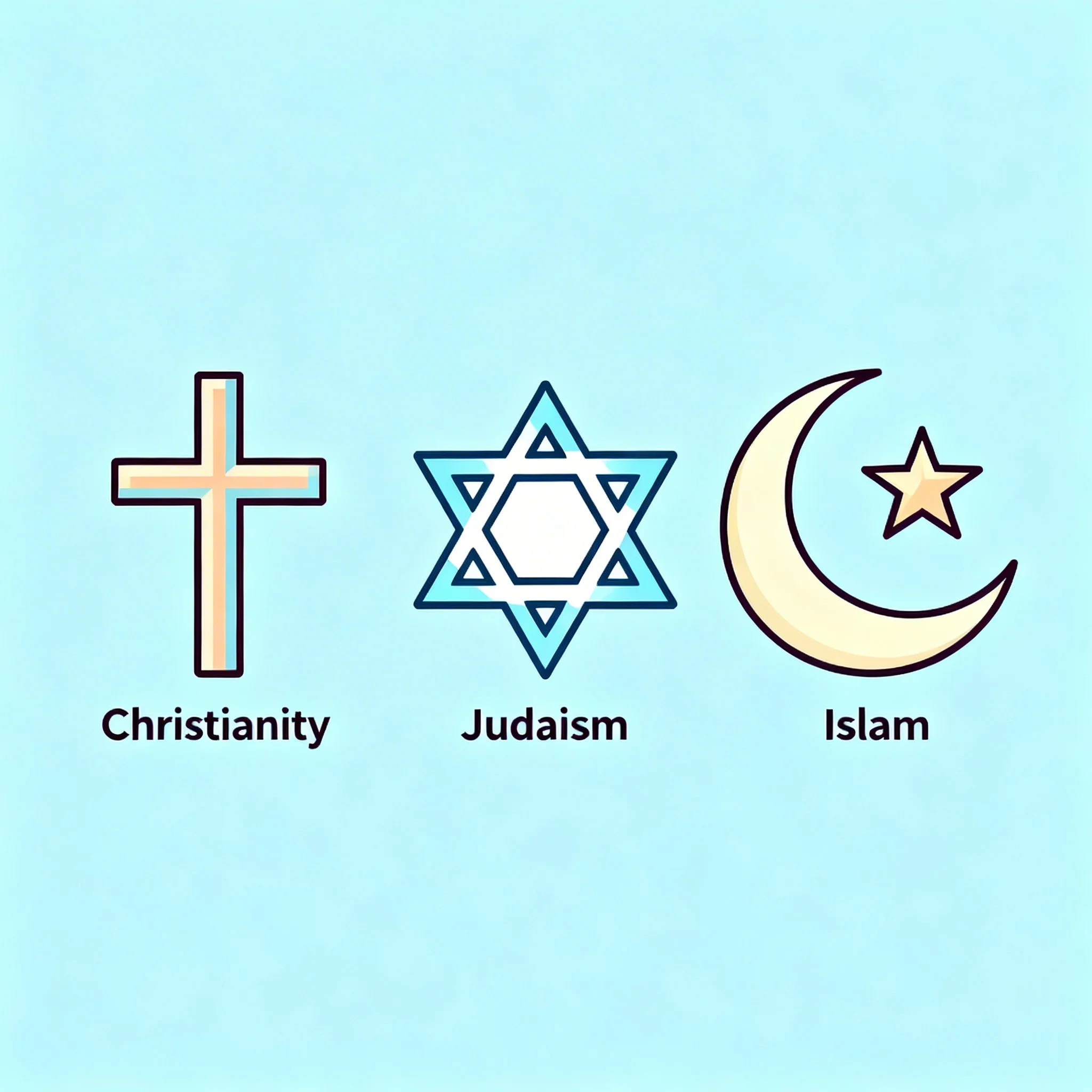
“Therefore, welcome one another as Christ has welcomed you, for the glory of God. ”
Since the United States and Israel started a war with Iran, it feels important to reflect on the role of the relationship between Christianity and Islam. I worry that people will attempt to make the conflict into a holy war. Often, Christians misunderstand what Muslims believe, and misunderstanding often leads to prejudice. Throughout global history, we’ve witnessed prejudice legitimating violence. We must learn who our global neighbors are so that ignorance doesn’t breed fear, because fear often leads to violence.
While Mohammad remains preeminent in Islam, Jesus’ role is important within the eternal future of Islam. I consider the Christian Century one of the most intellectually and religiously significant periodicals in the world today. Muslims, according to Amy Frykholm, in her Christian Century article “Who is Jesus for Muslims,” describe Muslims as understanding Jesus to be born of the Virgin Mary, but “neither God nor the Son of God.” “Jesus’ message is called the ‘Injil,’ or the gospel.” Muslims also affirm Jesus as a miracle worker. Islamic stories even include miracles attributed to Jesus that the Christian gospels do not include.
Within Islam, Jesus is “one of the five elite messengers of God.” As one of the five elite messengers, Muslims believe that Jesus is “unique among the prophets of God,” and in the last days will return to the earth. First, Jesus will “lead a great battle against ‘ad-Dajjal’ or the Antichrist.” The complexity of this statement would require volumes of interpretation to consider fully, but in simple terms, Jesus is fundamental to God’s return. Furthermore, Jesus is the only one who holds the Islamic title “al-Masih.” Al-Masih means “Anointed One.” The root means “touching,” for it is Jesus whose touching brought healing. In Islam, the end times describe Jesus as touching the faithful, and they are then healed for eternity.
I share this not to say Muslims are Christians in disguise, or that Muslims believe Jesus is somehow better than Mohammad. Mohammad and Jesus have different tasks and different job descriptions. Rather than deny Jesus, Islam affirms and honors Jesus in a transformative way. Islam is extremely careful to uphold monotheism and make a careful dance to avoid having Jesus appear divine. Jesus came before Mohammad and will return to heal the people. Personally, I believe that God loves all three religious groups, as long as they live their faith with passion and compassion. I believe God is much more upset with those who are lukewarm in any of the three religions.
There remain significant differences between Islam, Judaism, and Christianity, but I hope you finish this devotion realizing that there is more that unites us than what divides us. No matter what fundamentalists of all three religions claim, we retain much that unites our beliefs. Today, pray for all three religions and the nations where they reside that we can begin modeling mutual respect and love. There should be room for all three monotheistic cousins to affirm what unites us, discuss and even disagree about what separates us, while affirming that the one true God loves and touches all three religious peoples.