
Learning From Acts of Resistance
“Do you have eyes, and fail to see? Do you have ears, and fail to hear? ”
Throughout human history, marginalized communities have been abused by oppressors. Yet, marginalized groups have always found ways to retain their dignity, integrity, and validity while enduring abuse and even attempted genocide. A prime example is the Jewish community under Nazi occupation during World War II. Jewish spiritual resistance often took the form of transforming mundane objects into spiritual expressions that also mocked the Nazis.
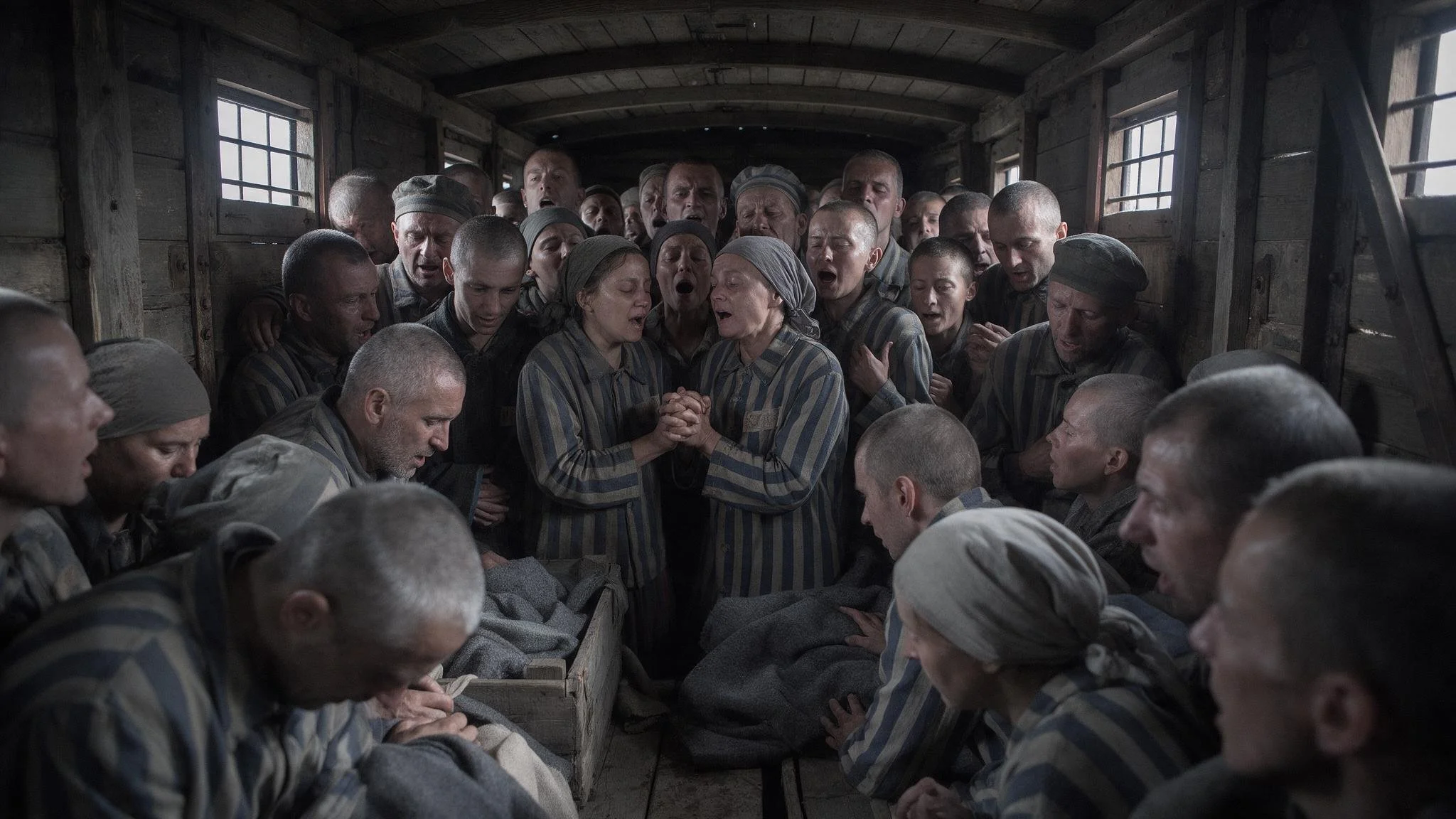
The Nazi guards were ordered to keep the Jews from worshiping in the camps and even on the trains. Yet many examples of religious expressions of resistance emerged. Yitzchak Dorfman’s article “Ani Ma’amin,” published on Chabad.org, shares a profound example. Dorfman places the reader on a Nazi train car crammed with Jews riding to their death at the Treblinka camp. Reb Azriel David found joy in spiritual Jewish Chassidic music. “Inside the crowded cars, over the clatter of cattle cars’ wheels, rose the sounds of people gasping, sighing, weeping and dying.” Yet, in one car on the train, “the sound of singing could be heard.” David was leading the singing and, in that moment, in the hearts and minds, they were not on the death train, but in worship with their God. The Nazi guards did not recognize the songs and didn’t realize they were worshiping through song. They sang the “Ani Ma’amin” all the way to the gas chambers. They died proclaiming their faith and resisting their oppressors.
Jesus understood and shared ways to express faith in God amid Roman oppression. According to Elaine Pagels in her book Miracles and Wonder, “Jesus not only teaches in parables but also performs miracles that conceal-or reveal, those who ‘have eyes to see’ (Mark 8:18)-hidden meaning.” Jesus shares parables as a code to keep his ministry from being unfairly judged by oppressors. Even Jesus’ healing the naked man screaming in the graveyard by casting the demons into the pigs and sending them over a cliff was a form of resistance. Roman soldiers in the area had a banner “emblazoned with the image of a wild boar,” and equating the boar with the pigs sent over the cliff was intended to insult the Romans without the authorities recognizing the slight.
Throughout human history, God has encouraged the faithful to resist unjust authority. When regimes become destructive, they are opposing God, and the faithful are called to subvert the dominant leadership. Even when the abuse threatens death to individuals and groups, the destructive paradigm must be circumvented. The Holy Spirit works through even the subtlest faith-based resistance. Our call is to trust God to use our actions to bring lasting, ethical change and healing to a broken world.