

Sacred Wisdom Requires Effort
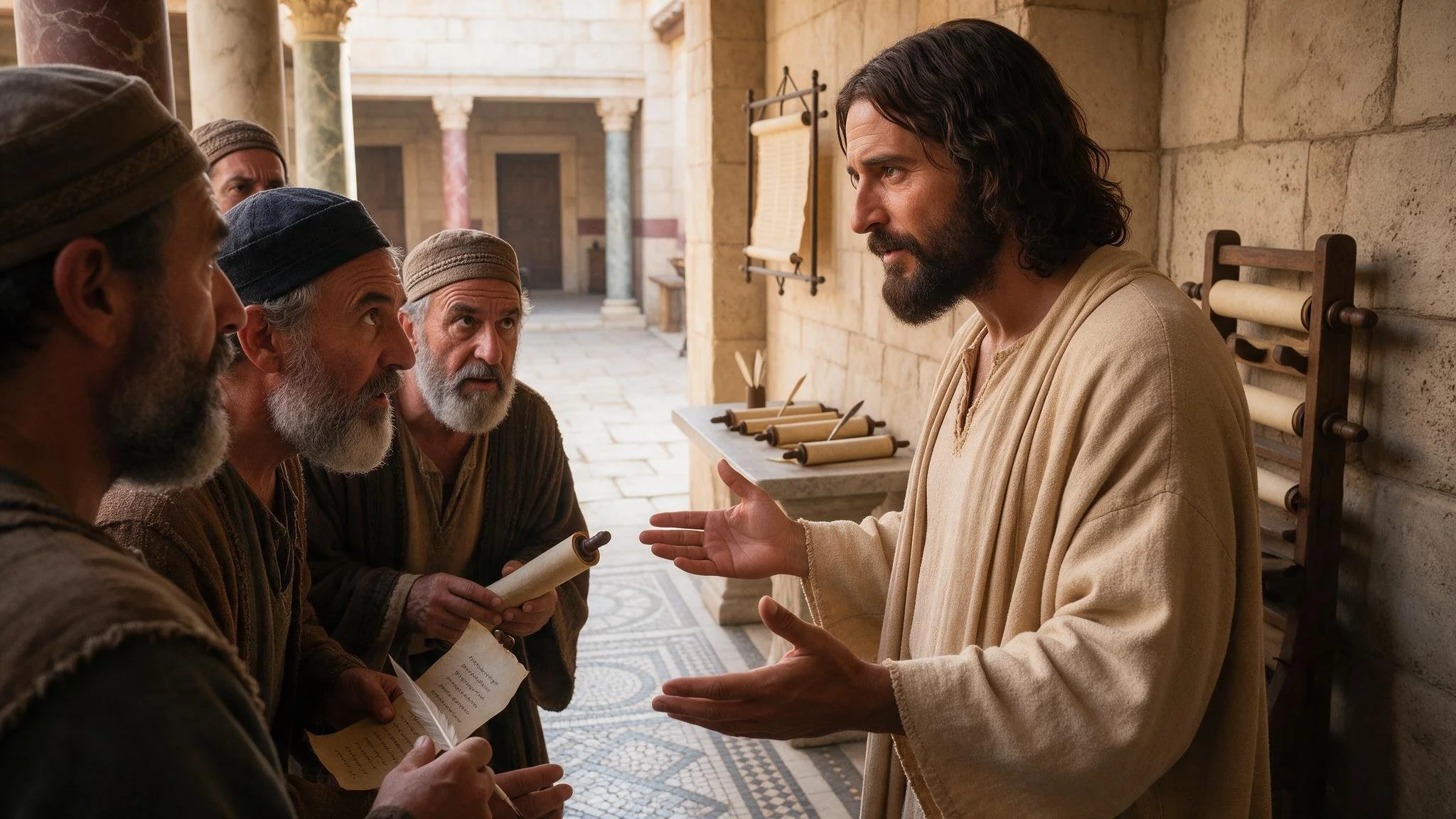
“If any of you is lacking wisdom, ask God, who gives to all generously.”
Jesus was one of the greatest thinkers in human history. Read any parable and dive into the complexity of the story and its religious, social, and psychological nuances. Jesus isn’t alone in his intellectual curiosity and brilliance. In 1st-century Palestine, few, if any, people traveled more than a few miles from their community. The tiny percentage of people who did travel did so at the Romans' whim. Yet, the Apostle Paul traveled throughout the Mediterranean world, overcoming dozens of languages and Local dialects, distinct cultural experiences, and regional prejudices. Throughout the Hebrew Bible and New Testament, many biblical figures convey emotional and intellectual wisdom.
We can learn from and emulate biblical leaders. Thomas Oppong, in his article “The Wisest Thinkers of All Time Were Obsessed With These 6 Habits,” helps us recognize habits that can help us respond to life with the same wisdom found in biblical characters. Oppong’s first habit is “Radical simplification.” Instead of quoting ancient Jewish wisdom literature for each teaching, Jesus presents simple stories that bring the knowledgeable truth to life in a way accessible to the common listener. Second, “Aggressive intellectual humility.” Paul learned the truths of the Greeks as he preached in Athens, which allowed him to quote, “As even some of your own poets have said, ‘For we too are his offspring.” Learning new wisdom is always valuable.
A third example by Oppong is “Ruthless filtering.” Oppong quotes Henry David Thoreau: “The soul grows by subtraction, not addition.” We cannot embrace everything, especially when it is incompatible. Jesus, in Matthew 16:11, commands, “Beware of the yeast of the Pharisees and Sadducees!” Not all theological and truth claims are equally beneficial. Wisdom is knowing how to recognize and commit to the most profound and meaningful truths. There will always be less profound or even false truth-tellers.
The final wisdom habit I will quote from Oppong is “Strategic isolation.” Luke 5:16 describes Jesus’ process: “But he would withdraw to deserted places and pray.” Even the Messiah found moments of isolation beneficial. What made Jesus’ time alone “strategic” was the opportunity to “pray.” Now, it is your turn. Take these four habits of wisdom and begin your spiritual practice. Sadly, too many people offering Christianity proclaim an anti-knowledge and hence, anti-wisdom theological perspective. Meaningful faith in our Triune God is rarely simple. We are called to use the minds God gave us. Dive into your faith and glean the wisdom the Holy Spirit offers when you open your mind to the Divine One.