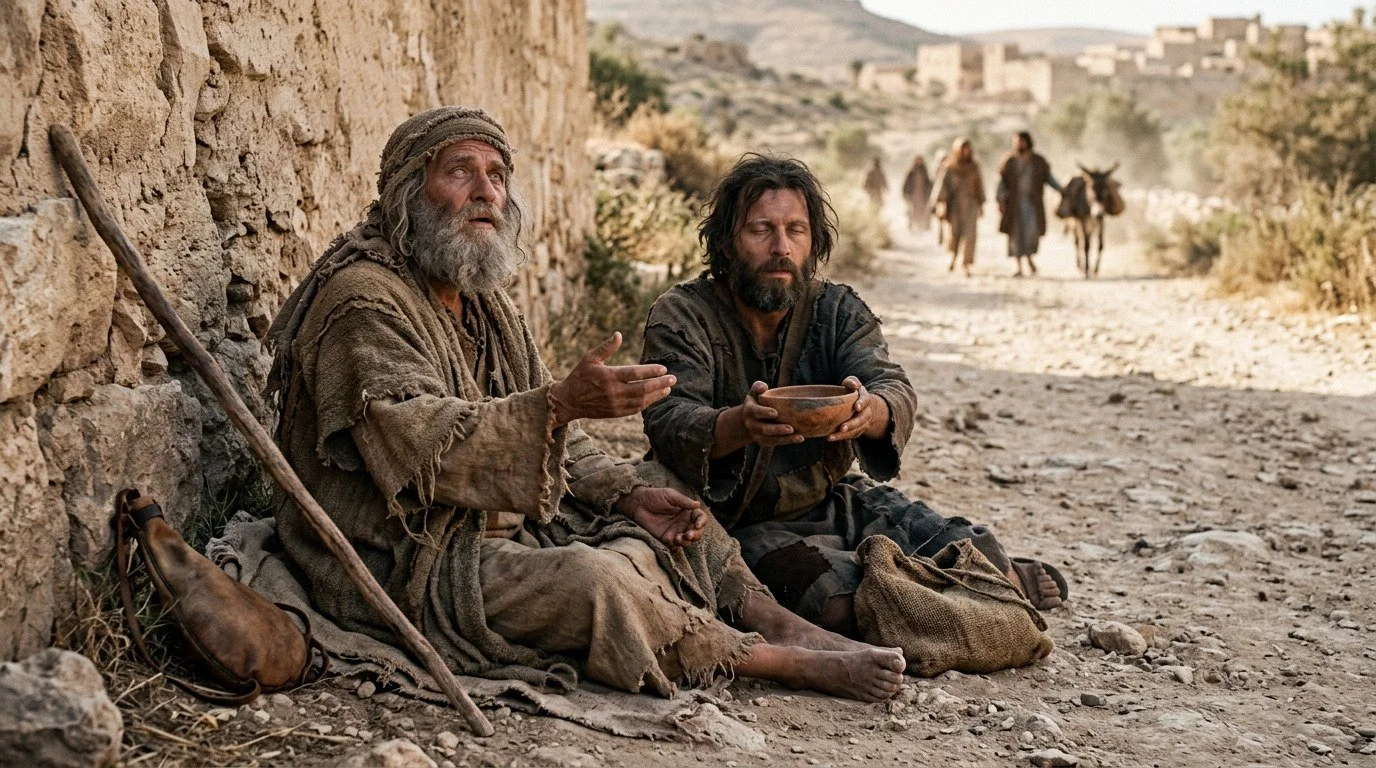

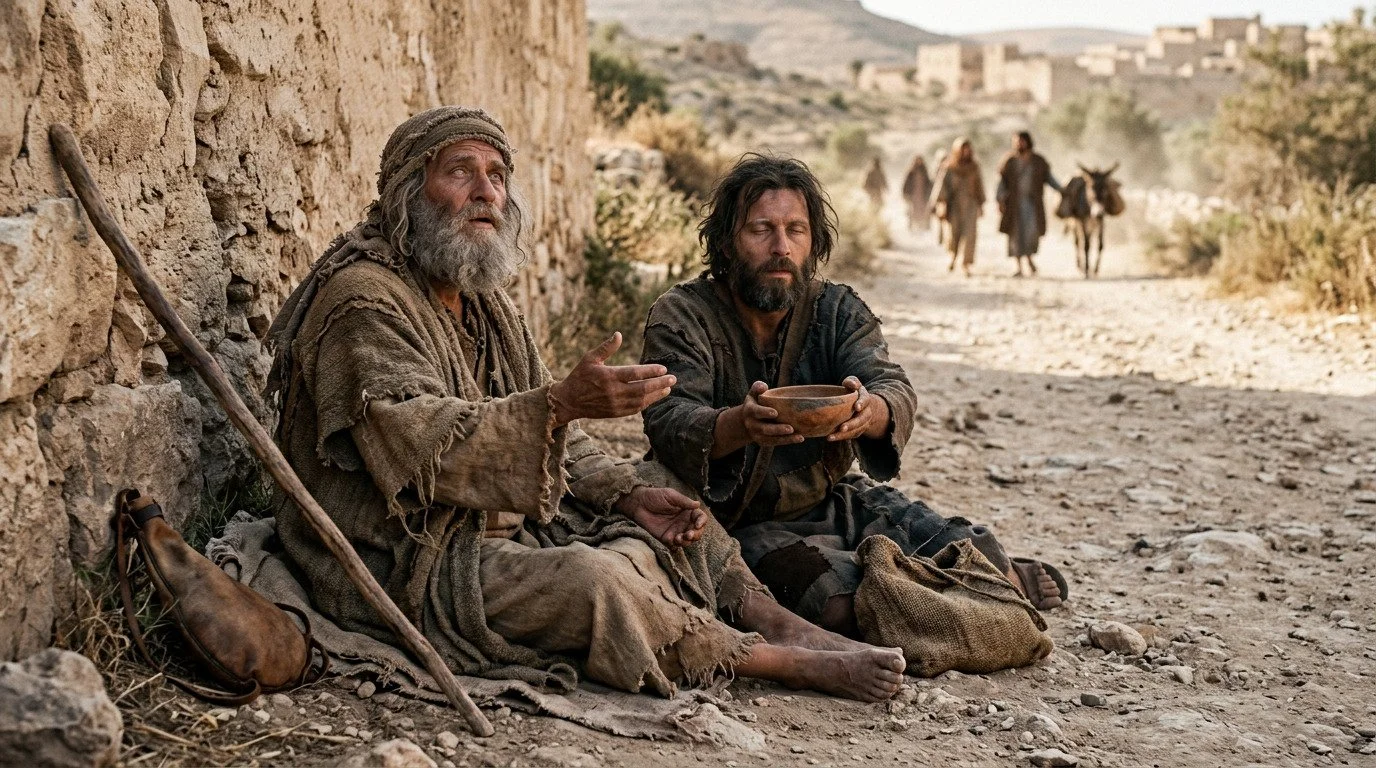
“And Jesus in pity touched their eyes, and immediately they recovered their sight and followed him.”
One reason I love being part of a church family is that the church, from individuals to its leadership, acts on its empathy. We’ve learned from the best. The quoted scripture is the punchline, but the gospel’s story matters too. Jesus leaves Jericho, and a multitude follows. Jesus and the crowd come upon two blind men by the roadside. The ancient world had no Medicaid or other safety net. They lived or died through familial care and/or begging, relying on a stranger’s empathy and compassion. As they cried out, Jesus asked them a question that could be considered insensitive. “What do you want me to do for you?” Wasn’t it obvious? Money, or at least food! Instead, Jesus transformed their world by making them whole.
The scripture story says Jesus responded with “pity” toward the two blind men. The original Greek word for “pity” is splanchnizomai, which means “inward parts.” Jesus was feeling the blind men’s plight deep in his bowels, at a gut level. Jesus had to do more than toss them a few coins or a crust of bread. Jesus could change their lives, and he did. Out of deep empathy, Jesus couldn’t ignore the situation and thought about the best outcome possible. We are called to do likewise.
Empathy is a tricky emotion. Emotions are not fair. Whoever pulls at our heartstrings the most receives our best intentions. Often, we give to someone in need but miss someone whose need is even greater. Empathy requires rational thought and clear planning. Jesus appears to ask himself, “What are their true needs?” “What am I capable of providing?” “Is my response in the best use of all concerned?” When we ask rational questions of our empathy, we can often provide more and make an even greater difference.
Today, learn from Jesus’ example. Celebrate your ability to provide empathy and compassion. Yet respond with more than mere feelings. Consider how your time and resources can make the greatest difference. Making a rational difference is another reason why I appreciate being part of a church family. We Presbyterians are teased for doing everything by committee, but it brings strong minds together to plan and implement in better ways than people responding individually. As we care for others, our hearts are molded in the image of our empathetic Messiah, Jesus the Christ.