
If You Ban Books, You Must Add the Bible
“‘Do not judge, so that you may not be judged.’ ”
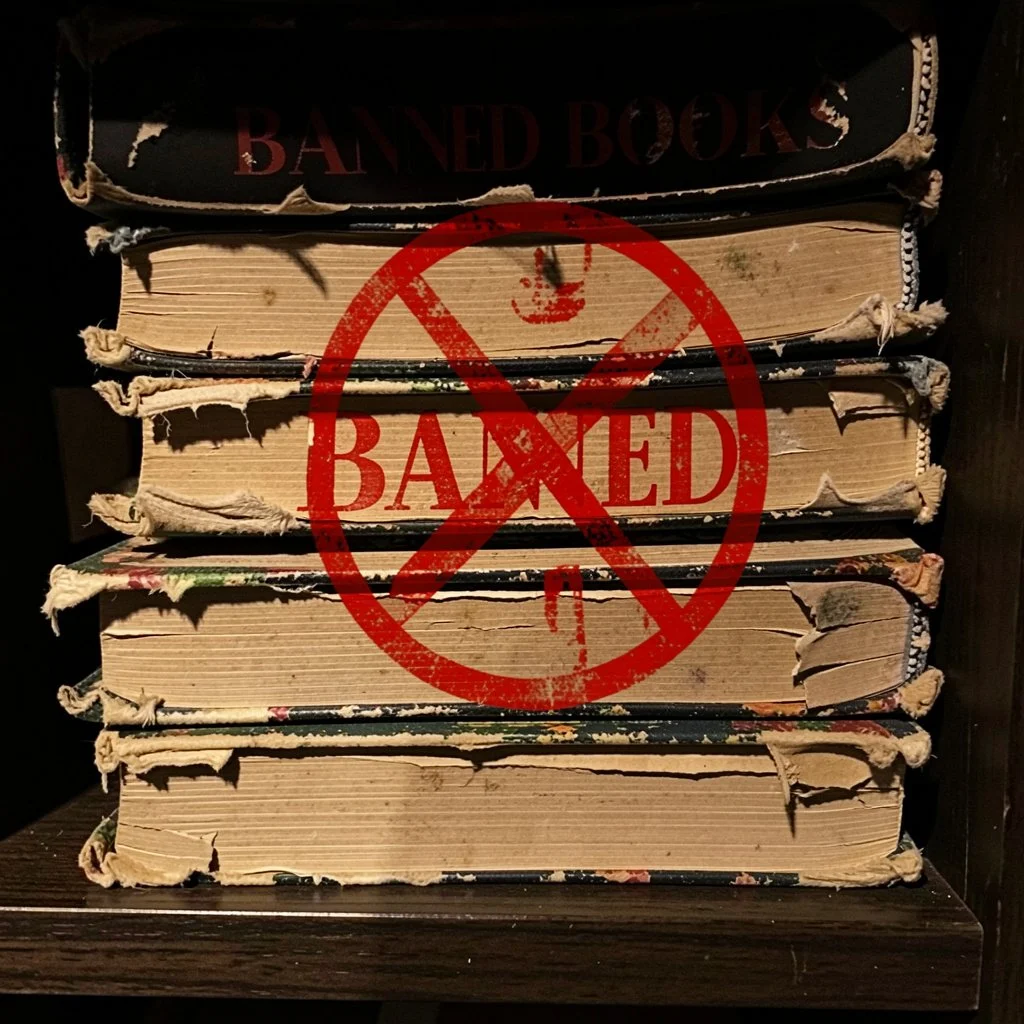
I am appalled by the ignorance and rabid hypocrisy of the religious right and other “moral” groups who are supporting and even encouraging book banning. The irony is impossible to ignore. If these literalist, right-wing Christians used the same judgmental criteria for the Bible, they would ban it too. Let’s look at why, by their own standards, Conservative Christians would have to ban the sacred book.
Sex, liquor, and violence are fundamental reasons for banning classic books with lasting meaning. The story of the destruction of Sodom and Gomorrah in Genesis 19 contains all the immorality necessary to get it thrown out of a school or public library. Two angels visit Lot, and the local men demand that Lot hand over the visitors so they can sexually assault them. Lot, far from being the best father, offers his virgin daughters to the mob for their sexual exploitation instead, hoping to appease them. God commits mass murder by destroying Sodom and Gomorrah with “sulfur and fire from the Lord out of heaven.” Later, Lot’s daughters get their father drunk and have sex with him to “repopulate” the earth. Nothing in The Catcher and the Rye was that morally warped!
Even Jesus would fail a moral test by the banned-book judges. Jesus enters the Temple in Jerusalem and is not sweet, gentle, or unassuming. Instead, Jesus angrily fashions a whip out of cords and violently overturns the tables of the money changers and merchants, driving them out. Jesus initiates the violence on unsuspecting merchants and 1st-century bankers. Jesus’ abuse against the wealthy is not unlike Anthony Burgess’s dystopian novel A Clockwork Orange. A Clockwork Orange describes violence depicted against the wealthy. The book was banned for describing gangs of youths brutally assaulting, robbing, and terrorizing wealthy and isolated members of society.
These are just two examples of Biblical controversy. I didn’t even bring up the role prostitutes played in supporting the people of faith at key moments. The Bible describes violence by God and the faithful, at times, in graphic detail, and with a gleeful tone. Yet, the Bible remains a valuable resource and an inspired book the Holy Spirit uses to inform, inspire, proclaim, and describe God’s work and will in the world. While the Bible remains sacred in a way that other books are not, it does not mean that banned books are bad or unacceptable. Instead, God’s Spirit uses different books, even those that make us uncomfortable, to instruct and challenge us to grow. Rather than ban or burn, take the time to read, question, and find meaning from what makes some uncomfortable. Invite God into your reading exploration. Remember, if something doesn’t speak to you, that doesn’t mean God cannot use the same book to speak to someone else.