
Funerals Have Changed?
“‘Where, O death, is your victory? Where, O death, is your sting?’”
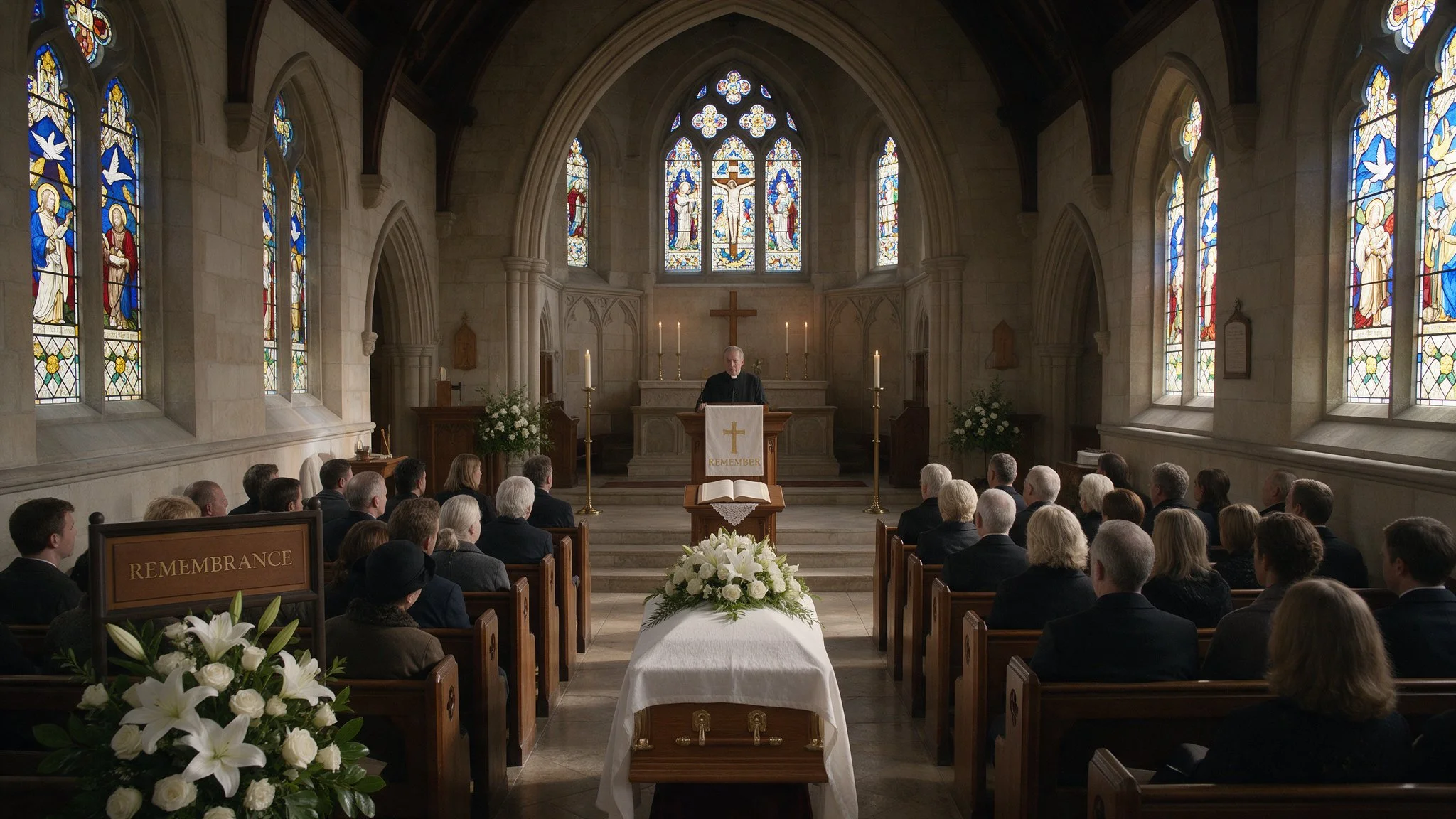
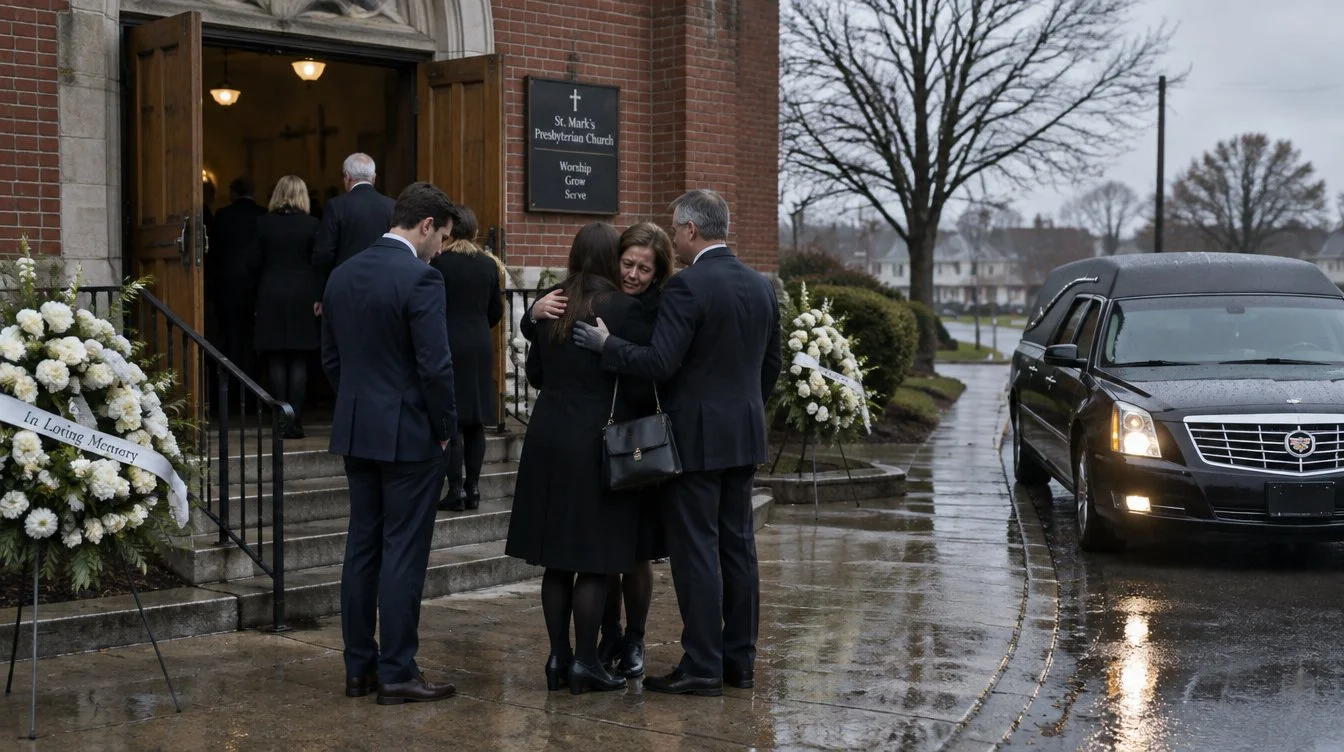
On Tuesday, I shared a devotion on why funerals have religious meaning. Today, I want to share how funerals have changed in the last 40+ years of my ministry. I appreciate the Presbyterian scholar, pastor, and writer Thomas G. Long’s Oct. 6, 2009, article in the Christian Century magazine, “The good funeral: Recovering Christian practices.” Here is what Dr. Long wrote that echoes my experience:
1. “A memorial service instead of a funeral.”
The service focuses on remembering the deceased and is often held days, weeks, or even months after death.
2. “A brief, simple, highly personalized and customized service, often involving several speakers.” Funeral liturgies are diminished, with the pastor as the primary speaker.
3. “A focus on the life of the deceased.” There are often several physical displays of photos and other mementos. Often, the focus on the deceased creates little room for religious content.
4. “An emphasis on joy rather than sadness, a celebration of life rather than an observance of the somber reality of death.” Several decades earlier, a focus on death’s “somber reality” provided theological therapy and gave permission to face death. Now, society often ignores death’s reality, even in the funeral service. Ignoring death’s reality leaves people unprepared for their own death.
5. “A private disposition of the body, often done before the memorial service, with an increasing preference for cremation.” Funerals, without a body and often without a visit to the cemetery, create the feeling of a remembrance party rather than death’s tangible reality.
None of these five new realities is necessarily wrong, but together they change the meaning and theological presentation of the funeral service.
I appreciate the changes that include remembering the deceased because it honors the God who gave them as a gift to their friends and loved ones. Yet, I miss focusing on “death’s ‘somber reality.’” Especially because so few people in 2026 attend church regularly, or at all. Sitting in death’s reality allows people to experience mourning’s pain. When we feel loss, we are more open to receiving God’s gift of grace and mercy.
Take time today to reflect on funeral services that come to mind. What bothered you, and what made others meaningful? Ponder whether a funeral should be a celebration or more somber. Is a funeral a place to consider life and death, or simply to remember life? Can celebration of the life of the deceased, “somber reality,” and God’s grace, which leads to life eternal, all occur meaningfully within one funeral service? Finally, focus on how you can lean into death’s reality with hope and love. At their best, funeral services bring us closer to God.