
Ritual Reflection As a Form of Artistic Expression

“‘I am the true vine, and my Father is the vinedresser.’”
I just started reading Robert C. Bartlett's philosophy book Aristotle's Art of Rhetoric. While reading his distinction between rhetoric and dialectic, I came upon the simple phrase, "reflection is the task of an art." As a prolific daydreamer, I took the phrase and went far beyond the discussion of rhetoric and dialectic, delving into "the task of art" from a faith perspective. Since faith in God is based on reflecting on God through the Word read and proclaimed, in prayer, compassionate justice, and care, I realized that religious faith is an art form.
According to the dictionary, "art" has two definitions relevant to faith in God. First, "Art is the expression or application of human creative skills and imagination, primarily for their beauty or emotional power." Since faith in God requires reflection and is therefore an art, it involves creative skills and imagination. Skills can be learned, and to be learned, we must practice them. You do not pick up a paintbrush and paint like Monet. Likewise, you cannot expect to sit down once in a blue moon and pray meaningfully, as Jesus did. As Leonardo da Vinci nurtured his creativity over time, expanding his mind to include painting, draughtsmanship, engineering, science, sculpture, and architecture, so too can our spiritual lives expand in various ways to enhance our relationship with God.
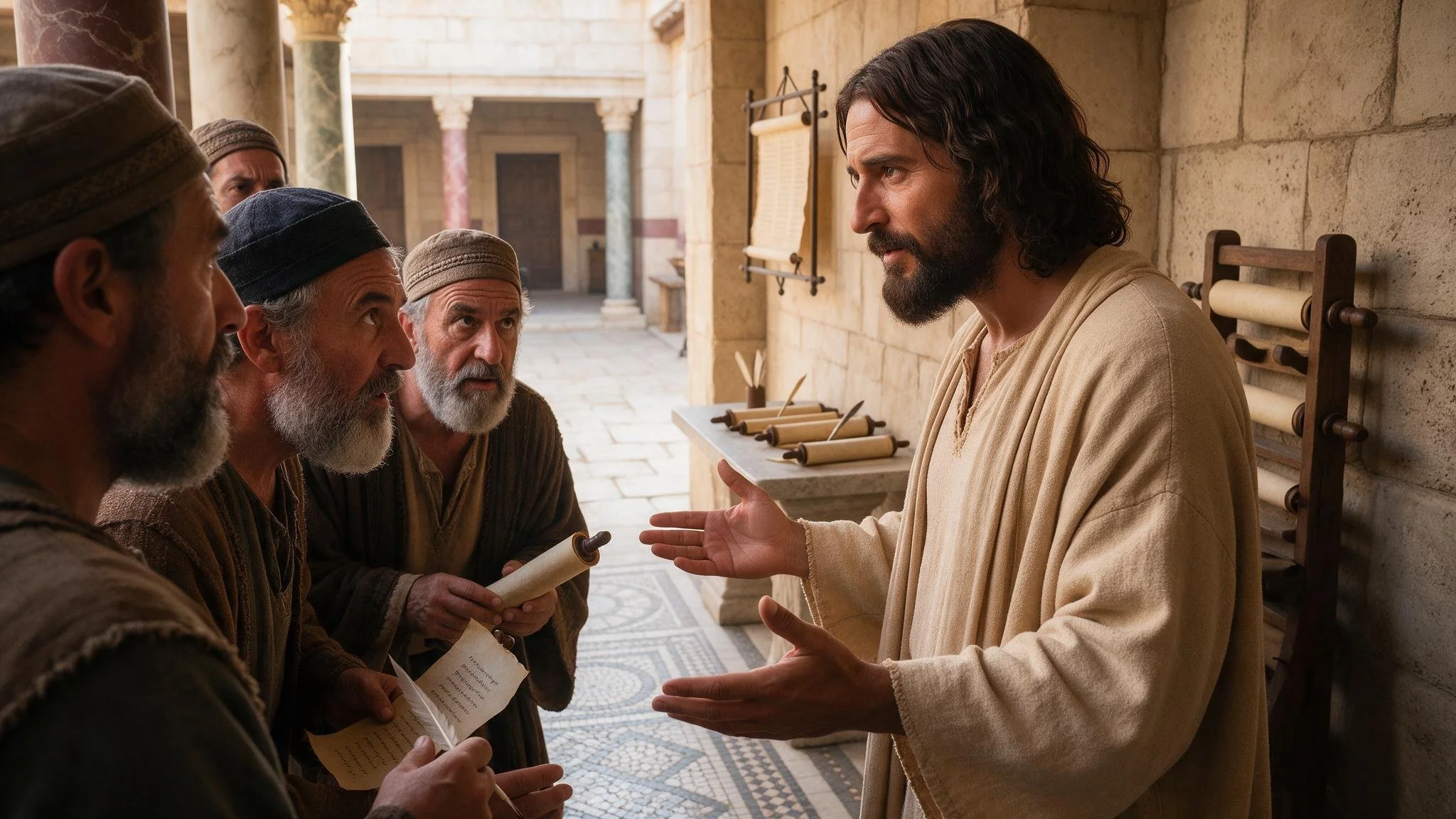
The second definition includes the ways art is "concerned with the processes and products of human creativity and social life, such as languages, literature, and history." The art of reading creatively into areas of social life, and the artistic-critical approaches to "languages, literature, and history," are foundational to one's faith as found in the interpretation of sacred Scripture. Hebrew, Aramaic, and Greek are the ancient languages of the Christian Bible. Understanding their vocabulary and grammar helps us grasp their meaning. The Bible incorporates several forms of literature, and knowing how to read a parable differently from historical information or poetry guides our understanding. Finally, one cannot properly understand the Bible without knowing its historical setting and implications. Only when we read the Bible through the lens of these art forms can we fully appreciate what Scripture imparts.
I appreciate Robert C. Bartlett's unintended gift of inspiration. As you read the Bible and live your faith, invite your understanding of art and other forms of knowledge to your faith. Many Christians fall into the trap of treating the Bible and their faith as separate from the rest of their knowledge base. In so doing, they miss deeper levels of understanding and often miss the truth that the writer and God conveyed. Continue to bring your learning, personality, and skills to bear on your faith. Many early church writers came from agrarian cultures and therefore used agricultural illustrations. Bring your experience and knowledge to the table as you read, pray, and reflect on what you say and do, as a child of God.