
Amen!

“The grace of the Lord Jesus be with all the saints. Amen.”
If you are like me, you tend to say “amen” without even thinking about its meaning. Most people think that amen is like an exclamation point, the way Porky Pig says, “That’s all, folks!” Yet, amen is more than just a way of concluding a prayer. The word people of faith say more than any other has a much deeper meaning, worthy of our consideration.
Amen is a Hebrew word, but it continued to be used even in the Greek New Testament. The ancient Hebrew word has been used throughout Judeo-Christian history and continues to be used today. Matthew Schlimm, in his book 70 Hebrew Words Every Christian Should Know, points out that “Amen’ comes from a cluster of words that refers to what’s true, trustworthy, reliable, and faithful.” So, when you conclude your prayer and say amen, you are saying you trust God with your prayer, because God’s power and care are true, trustworthy, reliable, and faithful.
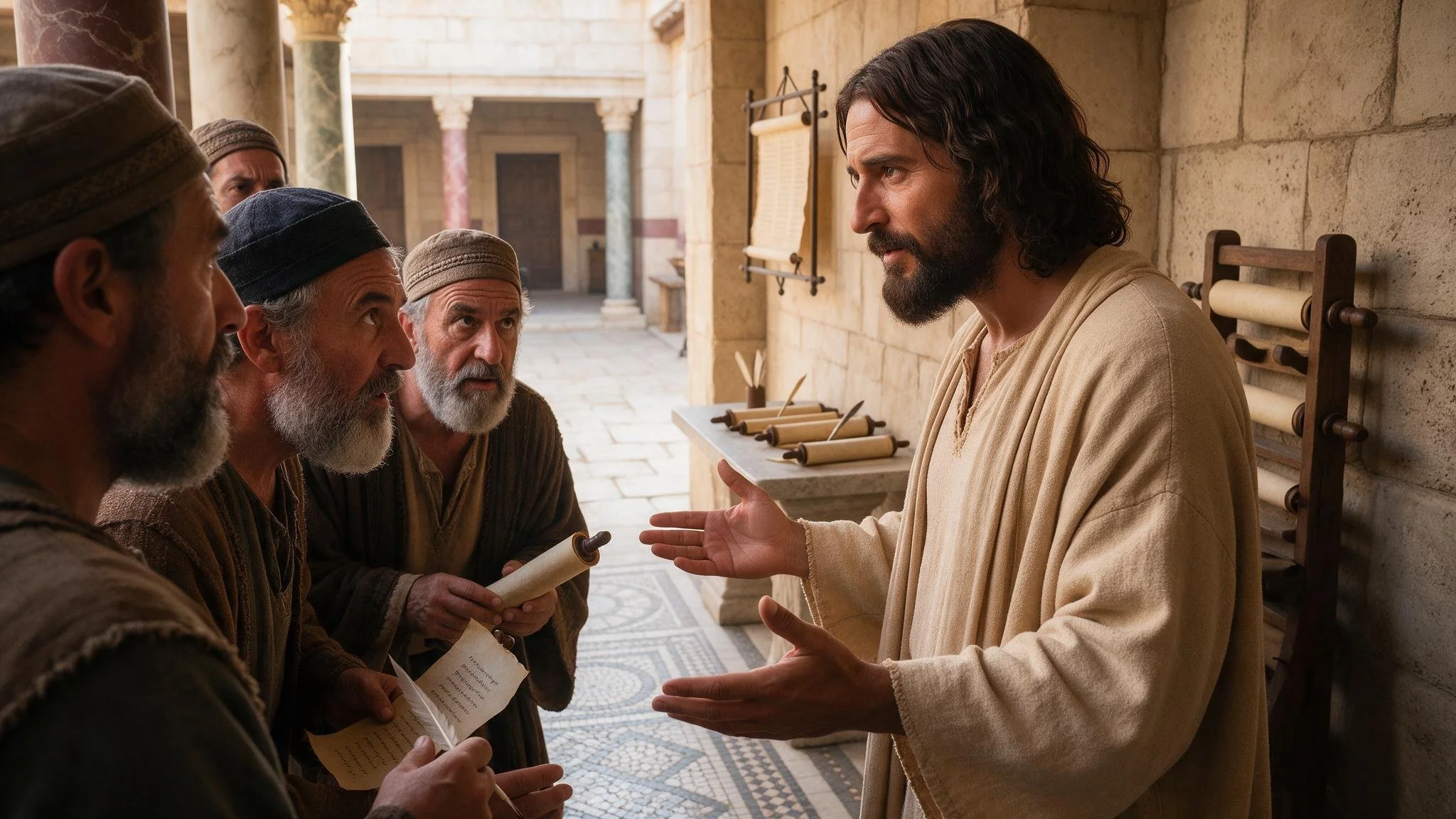
Schlimm notes that the word "amen" is used over 100 times in the Gospels, and it is one of Jesus’ favorite words. Amen, understandably, is the very last word in the Bible, as seen above in Revelation 22:21. Having the Bible conclude with “amen” shows that all the Biblical letters, gospels, stories, narrative forms, etc., are true, trustworthy, reliable, and faithful. Whenever you say “amen,” you are affirming your belief in God’s care.
To appreciate the word “amen,” reflect on moments when you’ve prayed in a moment of fear, worry, or despair. You weren’t simply sharing words; you were longing, seeking, even begging for assistance amid your pain. While you felt out of control, your concluding “amen” told God that you believed God was true, trustworthy, reliable, and faithful to you. Since God was faithful to you in the past, your present amen tells God and anyone else listening that you believe God will be there for you this time and into your eternal future. AMEN!!!