

After Stoicism by Thomas M. Ward
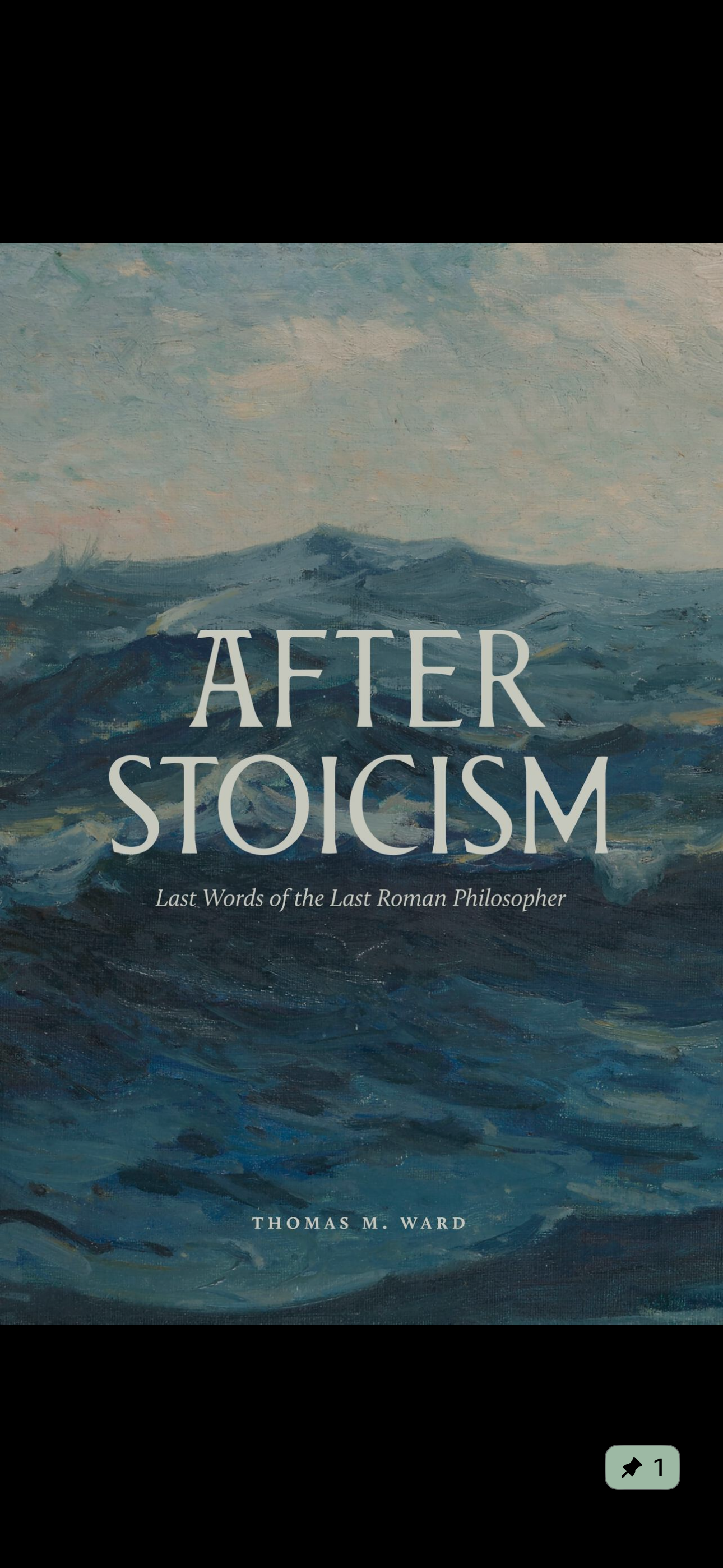
Thomas Ward’s After Stoicism challenged me and helped my appreciation for Stoicism and how to incorporate the philosophy into my faith. For those not familiar with Stoic philosophy, it originated in Athens in the early 3rd century BCE. Stoics consider how determinism (determined by external causes) and human freedom impact human life.
Ward begins After Stoicism by introducing the reader to Anicius Manlius Severinus Boethius (480-524 CE). Boethius was a Stoic philosopher, but uses Stoic rationalism to find deeper meaning. According to Ward, “He [Boethius] goes beyond Stoicism by affirming all that is wise in that venerable tradition but aiming higher, showing how true happiness and not just the absence of suffering can be the object of reasonable hope.”
Thomas Ward describes Stoic philosophy by providing the history of its development and adherents, making Stoicism understandable. Ward makes his philosophers come alive, as if he were writing short biographies. Additionally, Ward provides an overview of the major events in Western society at the time and how history influenced the Stoic philosophers' understanding.
Ward brings philosophy to life by embodying it in an almost human form named “Lady Philosophy.” Lady Philosophy bounces through history, sharing the philosophical beliefs and how they influenced each other. Lady Philosophy also interacts with other thoughts and beliefs throughout history, including Christianity. Ward’s Christian faith becomes apparent in how he weaves stories like Plato’s cave story from the Republic, incorporating its message into human history and the beliefs of people across different ages.
Thomas Ward addresses Stoic philosophy’s views on topics such as “Ideal Happiness,” “Evil as Privation,” and “Freedom and Why It Matters.” By the end of the 190 pages, you will have a working knowledge of Stoicism. Ward will also introduce you to other philosophical ideas and empower your faith through a new way of approaching Christian beliefs. One should not begin reading an important book focusing on whether you agree with the author. Instead, wisdom lies in understanding the author’s material, gleaning new insights, and reflecting on its impact on your current understanding and beliefs. After Stoicism will guide and challenge you on an adventure of learning that will impact your spiritual and intellectual growth. Reading Ward’s book certainly challenged me.