

Acknowledging Death is Key to Living Abundantly
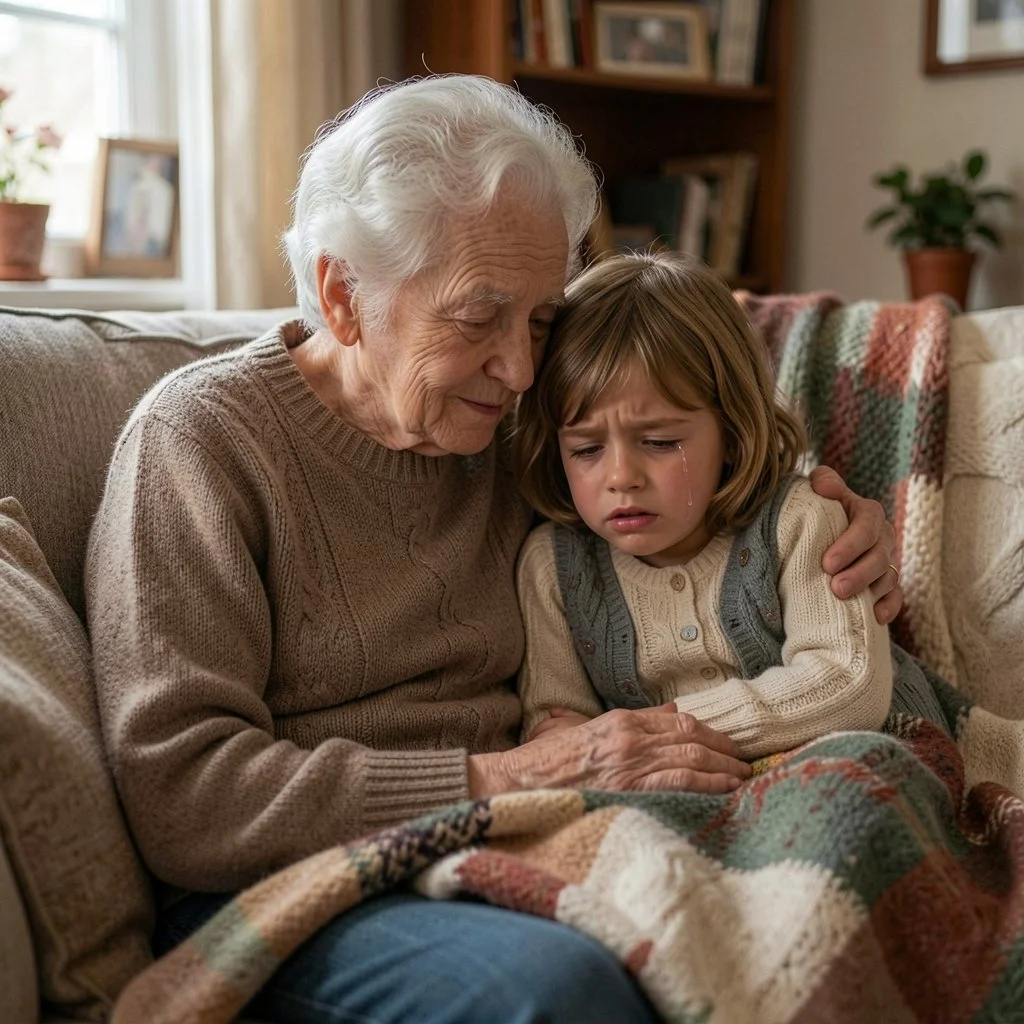
Dying is a process. At one level, the minute you are born, you are in the process of dying. Learning to die well is a process, as well. Faith in our Triune God is a comfort when you trust God to fulfill the divine promise to bring you to your true, heavenly home. Even amid human doubt, when you can affirm the promise of life everlasting, you can focus on the other aspects of life, love, and care.
Living, while dying, is also a process. The older one gets, the more peers die. Your body cannot do what it used to do. I mourn that I cannot run as I did in high school. I used to love riding my motorcycle back in the 1990s. Now, I am frustrated that my back cannot handle riding, and with the advent of cell phones, drivers are too distracted, making motorcycle riding far too dangerous. I do not want my wife to collect my life insurance policy anytime soon! Every new year diminishes what our bodies can do. Just ask a 40-year-old NFL football player why he had to retire, even when he wanted to continue.
When you are young, if a friend near your age dies, it is a shocking rarity. Everyone comes to the funeral, and you are comforted in recognizing that the death was unusual. When you get into your 70s and older, when someone your age dies, there is less shock. People say, “They’ve lived a good life.” Friends and colleagues’ deaths become more frequent, reminding us that our turn is coming. You mourn their presence in your life, and the reality that your turn is coming, and no one will be too shocked.
Mortality’s grip can lead to despair. What am I living for, if I will be dead soon, and within three or four generations, I will be all but forgotten? That fear of being forgotten causes people to purchase the largest tombstones, or for the rich and powerful, the biggest, most ornate ballrooms. Yet, in our anxiety over dying and death, faith in God brings a new perspective and reframes our thoughts and actions.
In the “Presbyterian Outlook” magazine, Pastor Brenda Monroe Moten offers her article “What I tell elderly Christians in troubled times.” Moten states, “Not ‘everything happens for a reason.’ Not ‘God is in control’ in the way that flattens mystery into formula.” Instead, Moten states, “I say: ‘You have been faithful as best you can.’ She reminds the person that with time and experience, their knowledge and faith grow. She reminds them that “You are not alone.” Naming who remains in your life is helpful; do not forget to discuss how God remains the central figure in their life and how God remains active.
Moten affirms that “The story belongs to God, and God is not finished.” I love this affirmation by Brenda Monroe Moten. I’ve sat in care facilities with people receiving hospice care and talked about what the person can still do. I remind them that their pleasant attitude can bring joy to those caring for them. Asking about the caregivers’ day and family may open a door to providing support. After reminding the person of what they can still do in their current situation, you can acknowledge that their life remains unfinished, even after they die. I cannot remember a time when a hospice patient brushed me aside for talking about what heaven might be like. Reminding them about what they have to look forward to is empowering, especially when all control is being taken away.
Dying is an awkward, uncomfortable, and often painful process. Yet, when dying is addressed with an open and faithful heart, it can transform us at every stage of life. Do not avoid the topic of life and death. Remember, even if you are the one closest to death, you can be the teacher who helps guide those you love through their grief in losing you. If you are open, courageous, and faithful in sharing your thoughts, fears, and trust in God’s support, your life of dying and living again will be empowered and comfort those around you.